Opening a car without damage: legal requirements, rules, and practical tips
Car opening is a set of steps to gain access to the interior or locking systems in the event of lost or broken keys, a dead battery, a tripped lock, or a faulty lock.
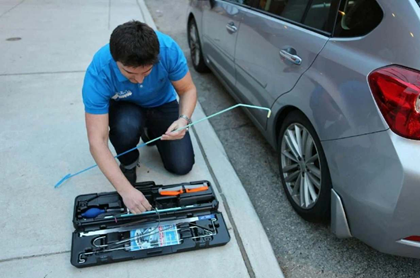
It’s important to understand that proper opening is not «breaking in,» but a careful procedure designed to preserve the integrity of doors, glass, seals, and electronics.
To avoid damage and legal risks, opening should only be performed with legal grounds and according to clear rules. Below are requirements, practical recommendations, and common mistakes that most often lead to expensive repairs.
Requirements and Legality: What’s Important Before Starting Work
The main requirement is proof of vehicle ownership. If you contact a locksmith Toronto, they have the right to request documents and verify information. This protects the owner and the locksmith, and reduces the risk of fraud.
What documents and confirmations might be needed?
- Passport or other identification document.
- STS (registration certificate) or documents confirming ownership/use.
- Power of attorney (if the car is not registered to you).
- Indirect confirmations: rental/car sharing agreement, official documents, access to the manufacturer’s app (depending on the situation).
When is it best to call a specialist immediately?
Independent attempts are only justified in safe and simple cases (for example, an open window and access to the factory button without the risk of damaging the wiring). In all other situations, a specialist is preferable: in a large city, where it is easy to find a trusted specialist, for example, a Toronto locksmith usually works according to regulations and strives to minimize interference.
Owner’s Tips: How to Prepare and Reduce the Risk of Break-In
Prevention is almost always cheaper than emergency access. A few simple steps reduce the risk of blockage and help resolve the issue more quickly without causing damage.
Prevention and Good Habits
- Make a duplicate key and store it separately, not in the glove compartment.
- Monitor your key fob battery: a weak battery often mimics a «failure» of the central lock.
- Maintain your locks seasonally: clean, lubricate correctly, and check the cylinder and seals.
- Check for a hidden mechanical cylinder and how to use it (on some cars, it’s covered by a cover).
- Keep the contact information of a trusted mechanic and find out the terms of the visit and the list of documents in advance.
If a break-in has already occurred or is only planned, after gaining access to the car, it’s important to eliminate the underlying cause: replace the battery, restore power, repair the cylinder, make a duplicate key, or re-link the key fob. This will reduce the risk of re-locking and avoid unnecessary expenses.
Summary: When is keyless car opening permissible?
Opening a car without a key is permissible only if there are legal grounds and provided that the actions do not violate the owner’s rights and do not show signs of forced entry. In everyday situations, it is important to rely on documents confirming ownership or use rights, and in disputed cases, involve the police or official services.
The correct approach reduces the risk of damage and legal consequences: document the circumstances, confirm ownership of the car, and choose methods that minimize damage. If you are unsure of the legality of the action, it is better to avoid independent action and act through authorized representatives.
Key Rules and Typical Situations
- You are the owner or legal user: the car is registered in your name, or you are listed in the documents/have a power of attorney, rental/car sharing agreement, or official assignment.
- Emergency: threat to life and health (child/person/animal locked in the car, risk of overheating/hypothermia), need to urgently prevent danger (smoke, fuel leak, unintentional movement).
- Lost/broken key: the key is lost, broken, the key fob is dead, the lock is jammed – upon confirmation of ownership of the car, preferably through a specialized service.
- Documents inside: this in itself is not an emergency, but opening the car is possible if you have the right to the car and choose safe methods without damage.
- Someone else’s car: opening the car without the express consent of the owner or Unauthorized access without the involvement of the police/authorized persons is unacceptable.
- First, confirm ownership: prepare vehicle documents and identification; if unavailable, find a way to confirm ownership and call specialists/the police.
- Assess the urgency: if there is a life-threatening situation/fire/danger, act immediately and call emergency services.
- Choose a safe method: priority is professional opening without damage; Independent action is only justified if you are completely certain of the legality and have no alternatives.
- Record the circumstances: photos/videos, witnesses, calls to emergency services – especially in emergency situations.