Islands under $5M For Sale
Ever dreamed of owning your own island? Islands under $5M for sale are now within reach. Once the exclusive domain of billionaires, these unique assets are increasingly attracting buyers seeking a private escape.
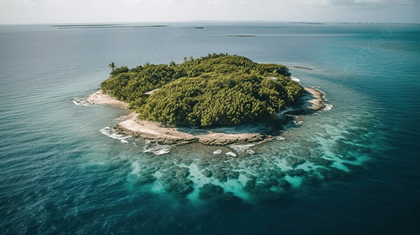
Whether you are looking for a resort-ready isle in the Caribbean or a budget-friendly plot through Kepri Estates, you can now plan a sustainable retreat without overspending.
Beyond the dream of seclusion, these islands offer strong investment potential, combining lifestyle freedom with tangible returns through boutique eco-resorts or private villa rentals. Sustainability is also reshaping modern island ownership, with solar power and rainwater systems turning remote assets into self-sufficient sanctuaries. This guide explores how pricing, hidden costs, and ownership models shape real value.
Private Island Market Overview
The market for islands under £5M (approx. $6.4M) has opened up a new world of possibilities. Today’s buyers seek space, privacy, and a departure from crowded resorts. With private-island sales rising significantly, budget escapes in Asia, the Caribbean, and the South Pacific now attract both first-time owners and seasoned investors.
Prices vary by proximity to airports, local tourism, and on-island features. For example, a simple isle in Indonesia’s Anambas Archipelago may start at $500,000, while a beachfront parcel in the Bahamas costs more due to established services and ease of travel.
Key Factors Affecting Island Prices
When shopping for islands under $5 million, location is the primary price driver. Islands close to transport hubs such as Singapore, Miami, or Sydney command a premium due to easier logistics for staff and visitors.
- Terrain & Beachfront: Wide stretches of white sand and calm, swimmable waters are most sought-after. Gentle elevation provides both ocean views and natural storm protection.
- Infrastructure: Islands equipped with freshwater wells, solar power, and jetties reduce start-up costs. Ready-to-use assets typically command higher valuations.
- Legal Title: In the Caribbean, freehold titles allow outright ownership and push prices higher. In Southeast Asia, properties are often acquired through long-term leaseholds (70–99 years) or corporate structures, offering a secure and affordable alternative.
Infrastructure Value Impact
| Element | Typical Cost (USD) | Value Impact |
|---|---|---|
| Fresh water source/well | $50,000–$150,000 | High |
| Solar power system | $75,000–$500,000 | High |
| Dock/pier | $100,000–$300,000 | Medium-High |
| Existing buildings | Varies widely | Medium |
Islands by Price Bracket
- Entry Level ($500K–$1M): Small isles (1–5 ha) in remote regions, often undeveloped and ideal for DIY projects.
- Mid-Range ($1M–$3M): Larger plots (up to 20 ha) with basic utilities and simple dwellings. Popular in Thailand and the Bahamas.
- Premium ($3M–$5M): 20+ ha with solid infrastructure. These are often ready for resort conversion or lavish private retreats.
Ownership Structures & Financing
Understanding local property laws is essential for securing value:
- Freehold: Full title ownership, common in Australia and the Caribbean.
- Leasehold: Standard in Southeast Asia, typically for 80–99 years.
- Corporate Purchase: Setting up a local company allows foreigners to acquire land while meeting ownership rules.
- Joint Venture: Partnering with a local entity can streamline permits and project approvals.
Hidden Costs & Build Considerations
The purchase price is only the starting point. Transforming an untouched island requires significant investment:
- Energy & Water: Off-grid islands require solar arrays ($75,000–$500,000) and desalination systems ($50,000–$150,000).
- Waste Treatment: Modern septic systems start at $25,000 and are a legal necessity for protecting marine ecosystems.
- Transport: A functional jetty or helipad can add $100,000 or more, vital for emergency access and guest transfers.
Expert Tip: Always include a 20–30% contingency fund for weather delays, regulatory approvals, or supply chain disruptions.
Sustainability & Environmental Factors
Sustainability is a necessity for remote locations. Solar power and battery systems are the most practical choice, reducing reliance on diesel. Responsible owners also protect mangroves and coral reefs, as these ecosystems are a major part of the island’s intrinsic value. Using local materials like bamboo reduces carbon impact and simplifies transport logistics.
Return on Investment (ROI)
Buying an island under $5 million can deliver solid returns. Rental yields on well-managed boutique eco-resorts typically range from 6–10% annually. Islands close to major hubs—such as Singapore or Phuket—achieve higher occupancy rates. Additionally, as freehold and long-lease sites become scarce, well-developed island assets often see capital appreciation of 20–40% over several years.
How to Buy an Island
- Define Your Budget: Consider accessibility and local legal frameworks.
- Engage Specialists: Work with island brokers who understand niche listings and title complexities.
- Conduct Due Diligence: Verify ownership, zoning, and environmental compliance.
- Visit in Person: Inspect infrastructure and assess build feasibility first-hand.
- Negotiate with Contingencies: Ensure permits and survey results are covered before finalizing.